November 1, 2026
AI voices: getting consent and labelling AI speech in 2026
Is it legal to copy a voice with AI? genvi does not copy voices. What consent means, when to label AI voice, and the rules in the US and EU as of November 2026.
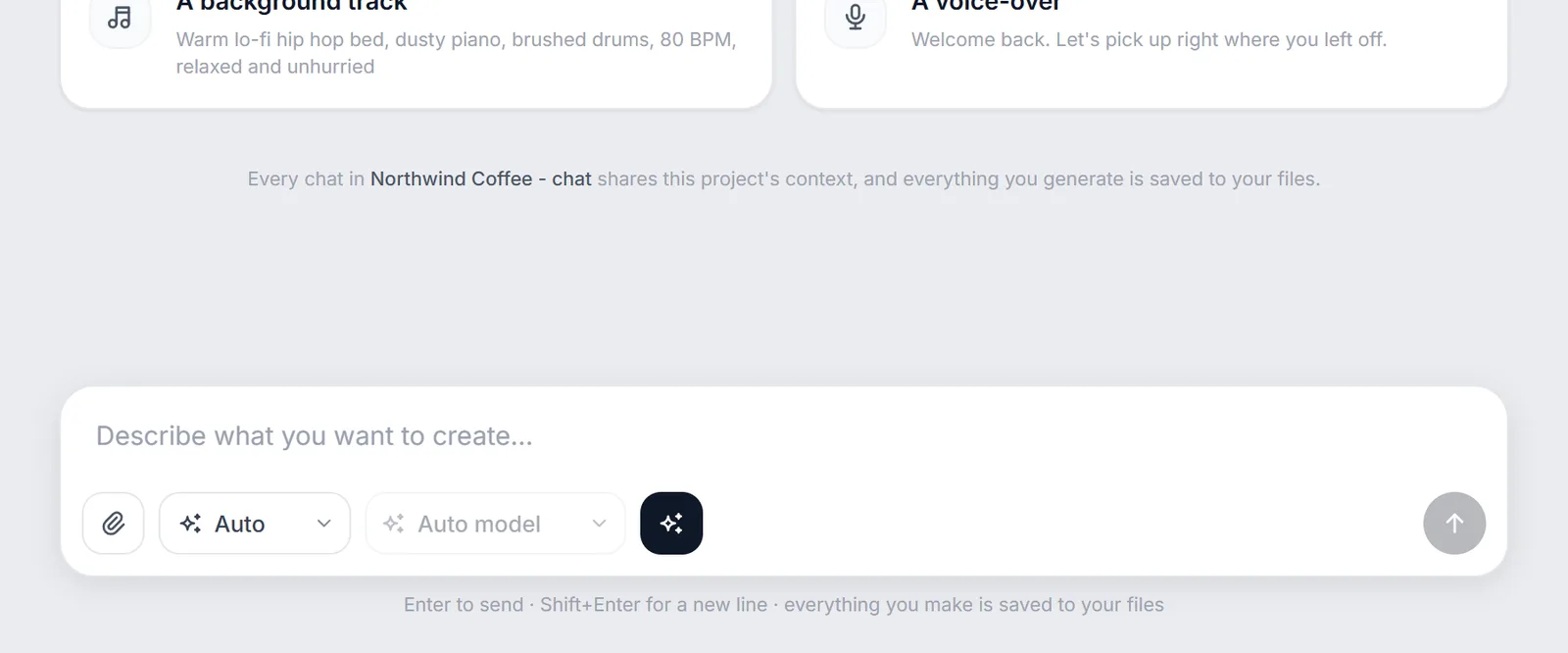
A voice can feel like part of a person, and in some places the law treats it that way. AI can now make speech that sounds natural. Some tools can copy a real person's voice from a short recording. This guide explains what genvi does and does not do with voices. It also explains what consent means, and when you should tell people a voice is AI. It is general information, not legal advice. It is as of November 2026.
What genvi does with AI voices, and what it does not
genvi turns text into speech. You type words, pick a voice from an AI model (the speech engine a company makes), and get an audio file. The models we offer include ElevenLabs v3, Gemini 3.1 Flash TTS and Kokoro TTS. All three are text-to-speech models. The voices are the ready-made ones that each model offers.
genvi does not clone voices. That means you cannot upload a recording of someone and get a copy of their voice back. No voice model we offer has that option. We checked every voice model we offer before writing this.
If you see a service that promises to copy any voice from a few seconds of audio, that is a different kind of tool. The consent questions below matter most there.
A character you save in genvi can have a saved voice. That voice is one of the ready-made voices from a model, so the same character sounds the same each time. See why we define a character once.
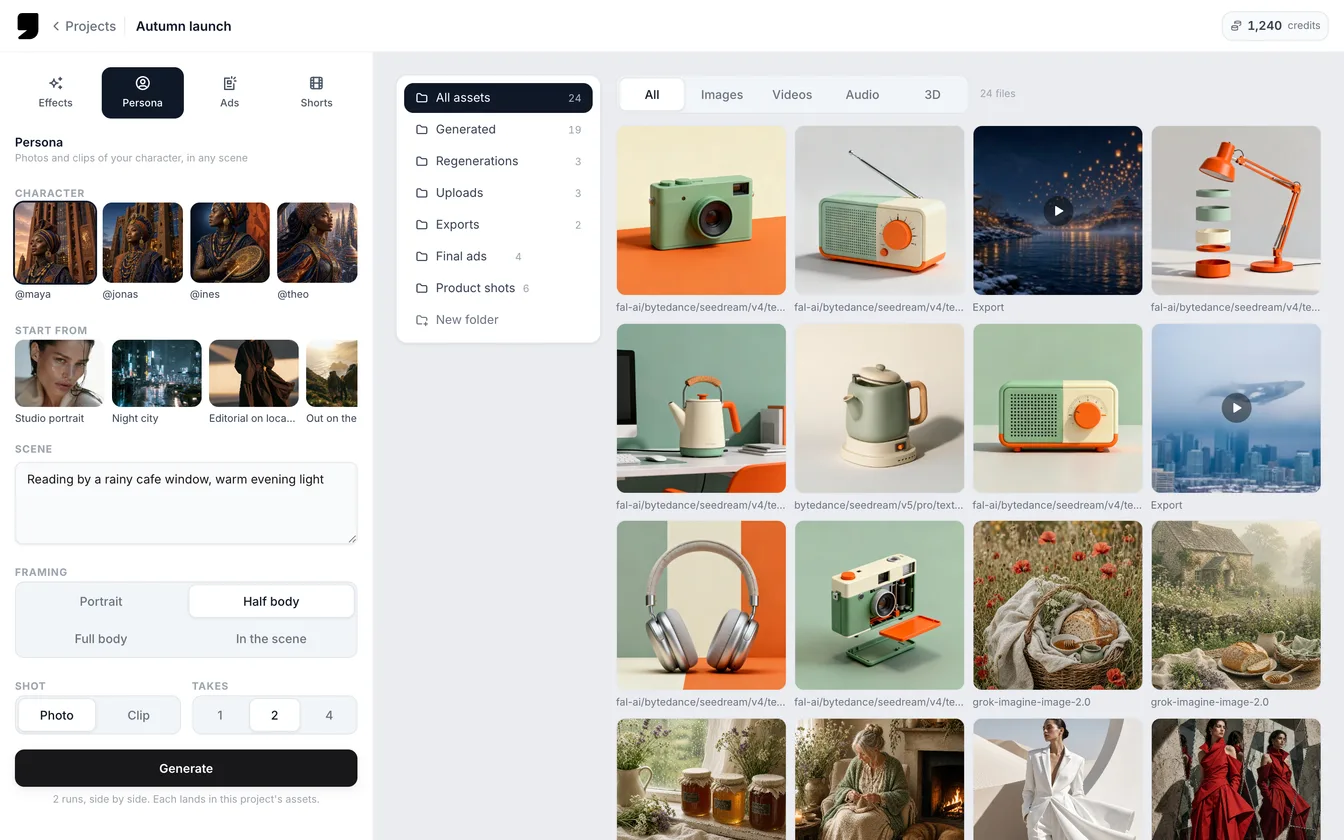
The Persona form picks a saved character, and clips can speak in that character's saved voice. The character is invented, not a copy of a real person.
AI voice consent: why it matters
Consent means the person said yes, knowing what you will do. For a voice, that means they know a machine will copy or imitate it. They also know where the result will be used, and for how long.
Why this is a legal matter and not only a polite one:
- Some US states protect a person's voice. Tennessee's ELVIS Act, signed in March 2024, treats a person's name, photograph, voice and likeness as a right the person owns. Under that law, a computer copy of a voice can still count. Read the Governor's announcement and the bill text. Other states have their own rules, and they differ.
- The US Copyright Office looked at the problem. Part one of its AI report, on digital replicas (computer copies of a real person), was published in July 2024.
- Fraud and false endorsement. A fake voice that appears to say your product is great, or that asks for money, can break advertising and fraud rules. Endorsing something means appearing to support it.
The simple rule is this: if a voice could be mistaken for a real, named person, you need that person's clear permission. That is also genvi's rule. Section 5 of our terms says you may not "upload, generate or edit images, video or voice of a real person without their consent." It says you may use a real person's likeness or voice only when they have agreed. It also bans content "meant to deceive people about what a real person said or did."
Step by step: using an AI voice the right way
Step 1. Use a ready-made voice for most work
For narration, explainers and ads, a ready-made voice is the easiest path. There is no real person to ask, and nobody's voice is copied. In Chat Studio, open the menu that chooses what to create, and pick Voice. Paste your script and pick a model. Our guide on AI voiceover and captions shows each step.
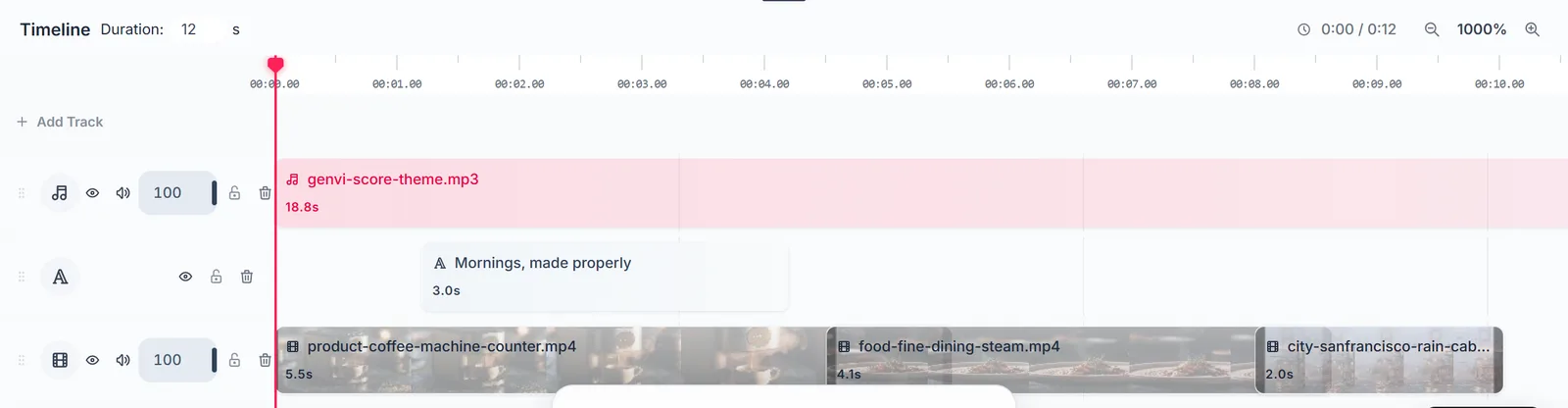
The Video Composer timeline. Audio goes on its own track. A ready-made voice needs no one else's permission, but you still need to decide how you will label the video.
Step 2. If you want a real person's voice, get consent in writing
The best way to get a real person's voice is to have them record it. If you use another tool to imitate someone, ask for a short written yes that covers:
- who the person is and who you are,
- what the voice will say, and where it will be used,
- for how long,
- whether they are paid,
- that they can withdraw it, and what happens to old uses when they do.
Keep the note. Do not use the voice for anything outside what it says.
Step 3. Never imitate a real person who has not agreed
This includes politicians, celebrities, your boss, an ex and a dead person's family member. A joke is not a safe reason. The rules about parody are narrow, and platforms can still remove the video.
Step 4. Say that the voice is AI when people could be fooled
A label is cheap, and it builds trust. The next section shows where it is required.
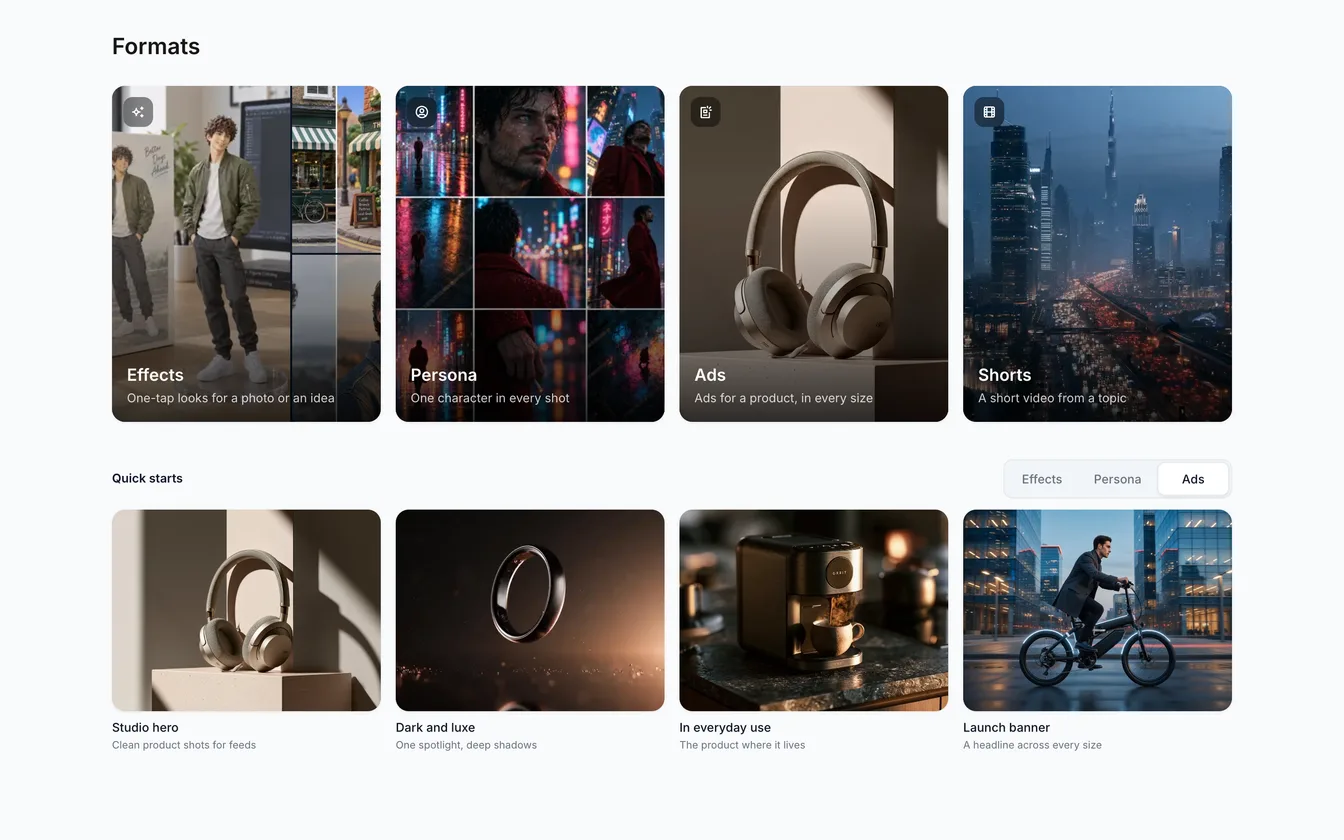
Formats makes short videos with voice-over from a topic. Whenever a result will be published, decide how you will label it.
When you have to label AI voice and video
YouTube. Creators must tell YouTube when realistic content was made or meaningfully changed with AI. You tick a box when you upload. YouTube's list on its disclosure help page includes two kinds of content. One is making a real person appear to say or do something they did not. The other is a realistic scene that did not happen. Obviously unreal content and small edits, such as captions, do not need a label.
The European Union. The EU's AI Act has a transparency rule in Article 50. People who publish deepfakes must say that the content is AI. A deepfake here is an image, audio clip or video made or changed by AI that looks real. For work that is clearly art, satire or fiction, the duty is lighter. Say so in a way that does not spoil the work. The same article says AI tool makers must mark their output so a machine can detect it. Some dates for that part were pushed back for tools already on the market. Check the current text before you rely on a date.
Ads and endorsements. The US Federal Trade Commission bans fake reviews and testimonials. That includes ones from people who do not exist. Its announcement says so directly. An AI voice reading a made-up customer review as if it were real is the kind of thing the rule targets.
Other places. Social apps, ad networks and podcast hosts add their own rules, and the rules change. Read the help page of every place you publish.
How genvi helps you stay on the right side
genvi checks prompts, and the pictures, video and audio you give it, before a run. It may refuse a request that breaks the rules. The check happens before any credits are taken. See every generation is checked before you pay. This is a safety net, not a legal review. You are still responsible for what you publish.
What it costs
A voice is a normal generation. Its price depends on the model you pick and the length of your text. The price shows before you run it. If a run fails, your credits come back. What AI credits are explains it.
FAQ
Can I make a voice that sounds like me?
Not in genvi. It cannot make a copy of a voice from a recording. The simplest way to have your own voice in a video is to record it and add it to the timeline.
Is a voice that is only similar to a celebrity allowed?
Not if listeners could take it for that person. Under our terms and several state laws, a close imitation counts.
Do I need to label AI narration of my own script?
Not always. YouTube's rule is about realistic content that could mislead. A clearly synthetic narrator reading your script is a lower risk. A short note, such as "voice made with AI," does no harm.
What if someone used my voice without asking?
Contact the platform where it appears. YouTube lets people ask for removal of content that imitates their voice or face. If genvi was used, write to support@genvi.co. Seek legal advice for anything serious.
This is general information, not legal advice. Laws about voice differ by place and change often. Ask a lawyer before a campaign or a paid project.